

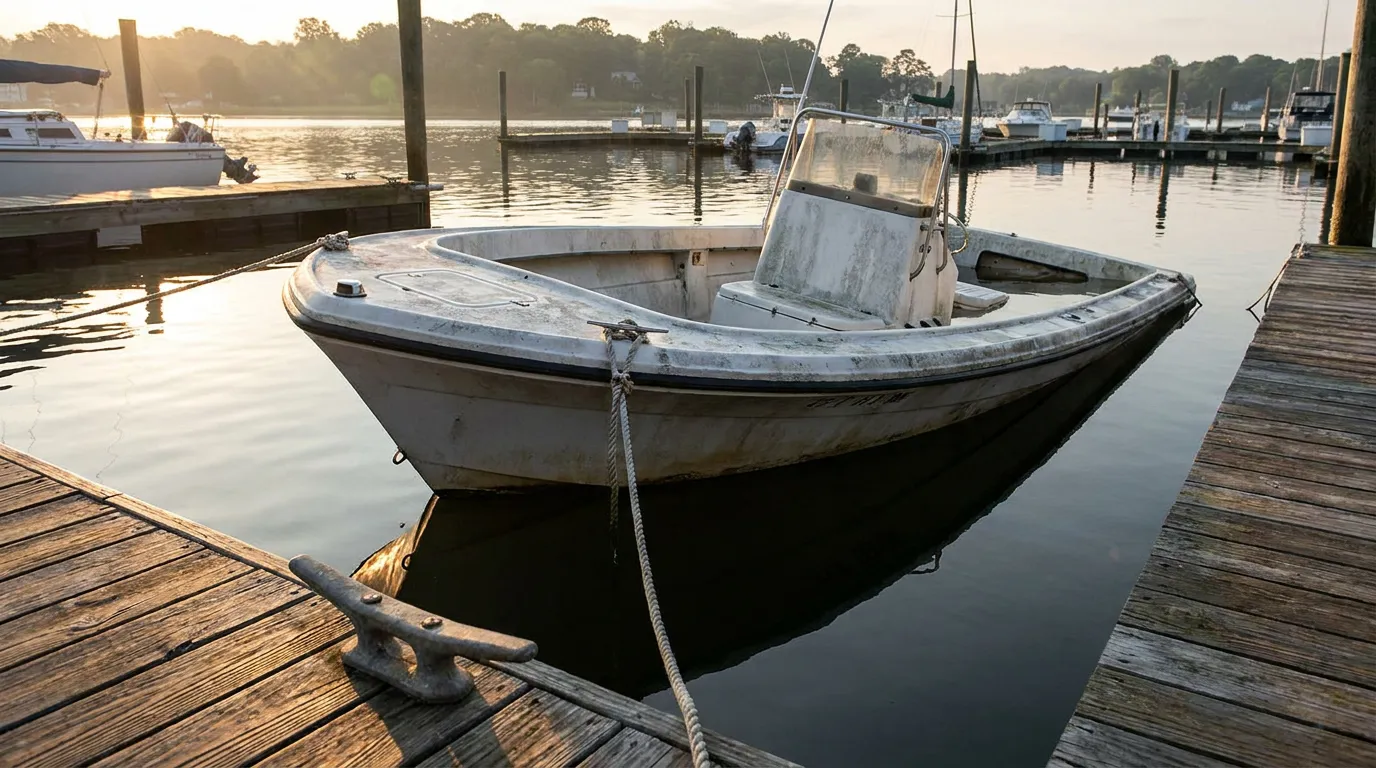
When a Sunken Boat Becomes the Defense to Your Injury Claim
Key Takeaways: A boat owner can try to cap your injury claim at the value of a sunken boat under the federal Limitation of Liability Act, but the cap does not apply on its own and can often be challenged. The owner generally must file a limitation action in federal court within six months of written notice of a claim. That action may pause your state lawsuit and move all claims into one federal case, though there are exceptions. To fight the cap, injured people generally first prove that negligence or unseaworthiness caused the accident. The owner then must prove they lacked "privity or knowledge" of that cause. Repair records, ignored warnings, or missing safety gear can help defeat that showing. Florida law may also help. Fla. Stat. § 327.32 requires operators to use the highest degree of care, and Fla. Stat. § 76.32 may allow you to seize the boat as security and file in a local court for injuries outside federal admiralty jurisdiction. Families may bring wrongful death claims under Fla. Stat. § 768.19, though a federal limitation action may pull those claims into its case. Early investigation and close attention to deadlines matter.
In many cases, yes: a boat owner can try to cap your injury claim at the value of a sunken boat, but the cap does not apply on its own and can often be challenged. A federal law from 1851, the Limitation of Liability Act, may let a boat owner limit what they owe to the boat’s value at the end of the voyage plus any pending freight. If the boat sank, that value could be close to zero. Generally, the owner only gets this protection by showing they lacked "privity or knowledge" of what caused the accident. Injured people in Bradenton and Manatee County may also have Florida law on their side.
If you or someone you love was hurt in a boating accident and the owner is pointing to a liability cap, Phillips, Hayden & Labbee, LLP can review your case. Call 727-300-1399 or contact us now to talk about your options.
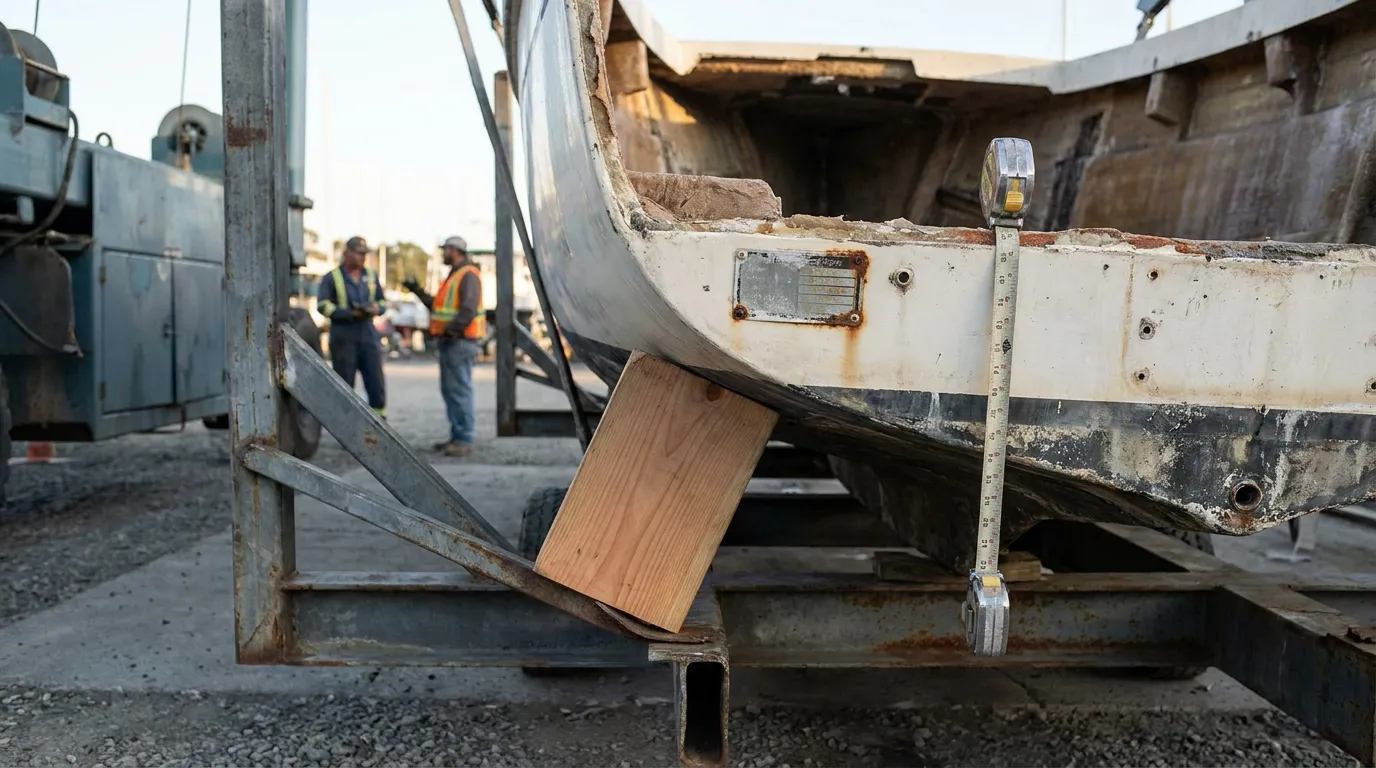
How the Federal Boat Owner Liability Cap Works
The Limitation of Liability Act, 46 U.S.C. §§ 30501 et seq., lets a boat owner ask a federal court to limit what they owe to the owner’s interest in the boat after the accident. That generally includes the boat’s value after the voyage and any pending freight. The cap can cover injury and wrongful death claims from a maritime accident. Congress passed the law in 1851 to protect shipping, but recreational boat owners may be able to use it today. Since 2022, however, the cap generally does not apply to certain small passenger vessels, such as many for-hire charter and tour boats.
Owners who want the cap generally have to act fast. The Act generally requires the owner to file a limitation action in federal court within six months of getting written notice of a claim (now at 46 U.S.C. § 30529, formerly § 30511). Once filed, that case usually gathers all claims against the owner from the voyage into one case with a single limited fund. For injured people, this can mean their state court lawsuit gets paused and moved to federal court.
Why the Boat’s Value After the Accident Matters So Much
The court generally uses the boat’s value at the end of the voyage, usually right after the accident, as the most the owner has to pay. If a boat sinks and has little or no salvage value, the owner may argue their liability is capped at zero or a token amount. That can be devastating for someone with serious injuries. The Case Western Reserve Law Review has discussed how this cap can block full recovery unless the owner’s privity or knowledge of the fault is shown.
Your actual losses can easily exceed what a wrecked boat is worth. Under Fla. Stat. § 768.81(1)(b), economic damages include past and future lost income, medical and funeral costs, lost support and services, replacement of lost personal property, and other money losses caused by the injury. A spinal injury or a death can lead to losses many times higher than the value of a sunken center console. Non-economic damages, such as pain and suffering, may add to those losses.
Defeating a Limitation of Liability Act Boat Accident Defense
The most common way to defeat the cap is to show the owner had "privity or knowledge" of the cause of the accident. If the owner knew, or should have known, about the unsafe condition or careless act that caused the accident, the defense may fail. If the court denies the cap, liability may then be decided under ordinary negligence rules.
The Two-Step Test Courts Use
Courts generally look at these cases in two steps. First, the injured people must prove negligence or unseaworthiness caused the loss. Second, the owner must prove it had no knowledge or privity of that cause.
Evidence that may help show privity or knowledge can include:
- Repair records showing the owner knew about engine or hull problems
- Past complaints, repair estimates, or warnings the owner ignored
- Proof the owner let an untrained or impaired person run the boat
- Missing or broken safety gear the owner knew about
- Witness statements about how the owner usually ran the boat
💡 Pro Tip: Ask someone to photograph the boat, dock area, and any visible equipment as soon as it is safe. If a boat sinks or gets hauled off for salvage, evidence can disappear quickly.
Why These Cases Depend on the Facts
Whether privity or knowledge exists depends heavily on the facts. An owner who was on board or running the boat often has a hard time limiting liability, because courts usually treat the owner’s own negligence as within their privity or knowledge. Results vary.
Florida Law Protections for a Boating Injury Claim
Florida treats every boat as a dangerous instrumentality. Under Fla. Stat. § 327.32, anyone running a boat must use the highest degree of care to prevent injuries to others. If federal maritime law governs, however, courts may apply the maritime standard of reasonable care instead.
That same statute also limits who may be liable. Unlike Florida’s rule for cars, Fla. Stat. § 327.32 generally puts liability for reckless or careless boating on the operator in immediate charge, not the owner. The owner may be liable if the owner was driving or on board when the injury happened, or for their own negligence, such as letting an unfit person run the boat or failing to maintain it. This can affect who you name in a lawsuit and whose insurance or assets may be available.
Federal Versus Florida Jurisdiction
The first question in many Bradenton boating cases is whether federal maritime law applies at all. Florida’s rule for seizing a boat as security is found in Fla. Stat. § 76.32. Subsection (6) limits this remedy to injuries outside federal admiralty and maritime jurisdiction. Recreational boating accidents on navigable waters often fall within admiralty jurisdiction, where the federal cap may apply.
| Issue | Federal Limitation Act | Florida Law |
|---|---|---|
| Possible cap on recovery | Boat’s value after the voyage plus pending freight | No boat-value cap under Fla. Stat. § 76.32 |
| Key defense or requirement | Owner must prove lack of privity or knowledge | Operator owes highest degree of care (Fla. Stat. § 327.32) |
| Where the case may proceed | Federal court | County where a defendant lives, the injury happened, or the boat is found |
| Fatal accidents | Death claims may be pulled into the limitation case | Fla. Stat. § 768.19 covers deaths on navigable waters |
Seizing the Boat Under Florida Law
Florida may let some injured people secure their claim against the boat itself. Under Fla. Stat. § 76.32(1), (3), and (4), a person suing for injury caused by careless navigation, direction, or management of a boat may ask the court to attach (seize) the boat. The injured person must file a motion and post a bond of at least double the amount claimed in good faith. This remedy is generally available only when the injury falls outside federal admiralty and maritime jurisdiction.
The owner can get the boat released by posting their own bond. Under Fla. Stat. § 76.32(5), that bond is double the boat’s value or double the claim, whichever is lower.
Venue rules may let Manatee County residents file locally. Under Fla. Stat. § 76.32(2), a case may be filed in the county where any defendant lives, where the injury happened, or where the boat is found.
Wrongful Death Claims After a Fatal Boating Accident
Florida’s wrongful death statute expressly covers deaths on navigable waters. Fla. Stat. § 768.19 provides that the person or watercraft that would have been liable if the victim had lived may owe damages. If the owner files a federal limitation action, those claims may get pulled into that case, so timing and strategy matter.
💡 Pro Tip: If you get a notice from a federal court about a limitation case, read it carefully for the deadline to file your claim. Missing that deadline may put your recovery at risk.
Frequently Asked Questions
1. Can a recreational boat owner use the Limitation of Liability Act?
Generally, yes. The Act is not limited to commercial ships. The owner still has to meet its rules, including proving a lack of privity or knowledge of the cause.
2. What happens to my state court lawsuit if the owner files a limitation action?
In many cases, the federal court pauses other cases and requires all injured people to bring their claims into one federal case. There can be exceptions, such as a single claimant, or several claimants who sign agreements protecting the owner’s right to the cap.
3. Is a sunken boat’s value always zero?
Not always. Courts set the owner’s interest in the boat at the end of the voyage, and salvage value or pending freight may count. A sunken or destroyed boat, however, may be valued very low.
4. Can I sue the boat operator instead of the owner?
Possibly. Fla. Stat. § 327.32 generally places liability for careless boating on the operator in immediate charge. The owner may also be liable if they were running the boat or on board, or based on their own negligence.
5. Does a liability cap affect claims against other parties?
The cap generally protects only the boat owner and certain charterers. Others, such as an operator who is not the owner or a product maker, generally cannot use the owner’s cap.
Protecting Your Recovery When an Owner Claims a Cap
A sunken boat does not mean your claim is worthless. The federal Limitation of Liability Act may let an owner try to cap damages at the boat’s value after the accident, but showing privity or knowledge may defeat that defense. Florida’s highest-degree-of-care standard, boat seizure rules, venue rules, and wrongful death protections may also help where they apply. You can learn more in our boating accident legal guides archive.
If a boat owner is using a liability cap against your claim, Phillips, Hayden & Labbee, LLP can help you understand your rights. Speak with a limitation of liability act boat accident lawyer on our team by calling 727-300-1399 today.
Disclaimer: This content is for informational purposes only and is not legal advice. Every case is unique, and results may vary. Consult an attorney about your specific circumstances.