

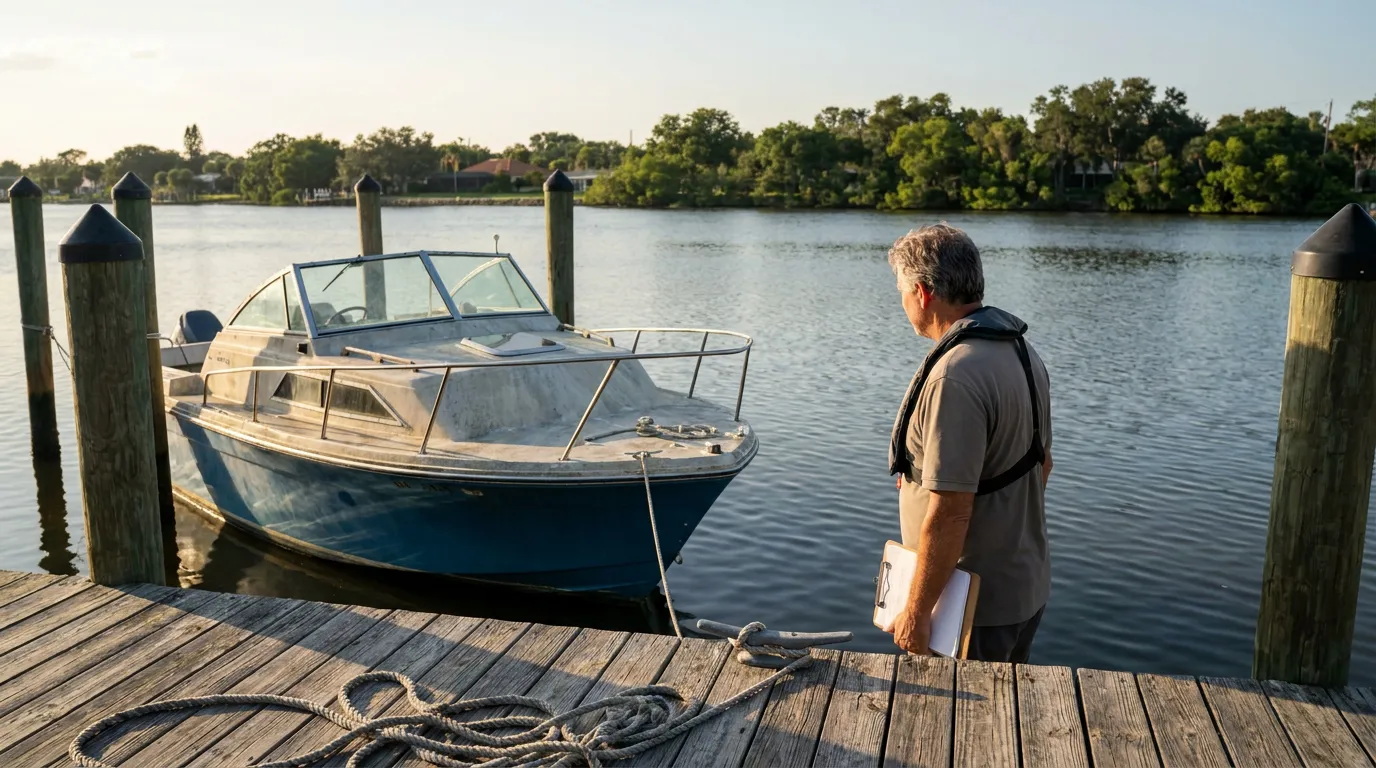
Understanding Fault After a Manatee River Boat Crash
Key Takeaways: Liability for a boating accident on the Manatee River typically begins with the operator whose negligence caused the crash, but responsibility can extend to owners, employers, rental companies, or manufacturers. Florida treats vessels as dangerous instrumentalities under Fla. Stat. § 327.32, requiring operators to exercise the highest degree of care. Negligence claims require proving duty, breach, causation, and damages. Owners are generally liable only if operating the boat or present onboard, though they may face direct liability for negligently entrusting the vessel to an unfit operator. Common causes like inattention, boating under the influence, excessive speed, and right-of-way violations often reveal fault. Victims may recover damages for medical bills, pain and suffering, and future treatment. Because these claims involve overlapping statutes and reporting duties, consulting a Bradenton boating accident attorney early helps identify every responsible party.
Determining liability for a boating accident on the Manatee River usually begins with identifying whose negligence caused the collision or injury. Liability typically falls on the operator whose careless or reckless conduct led to the harm, but responsibility can extend to owners, employers, rental companies, or equipment manufacturers. Florida applies specific statutes and a demanding duty of care to vessel operators, meaning several parties may share fault.
If you or a loved one was hurt on the water near Bradenton, the team at Phillips, Hayden & Labbee, LLP is ready to review your situation. Call us at 727-300-1399 or connect with our team online to discuss your options.
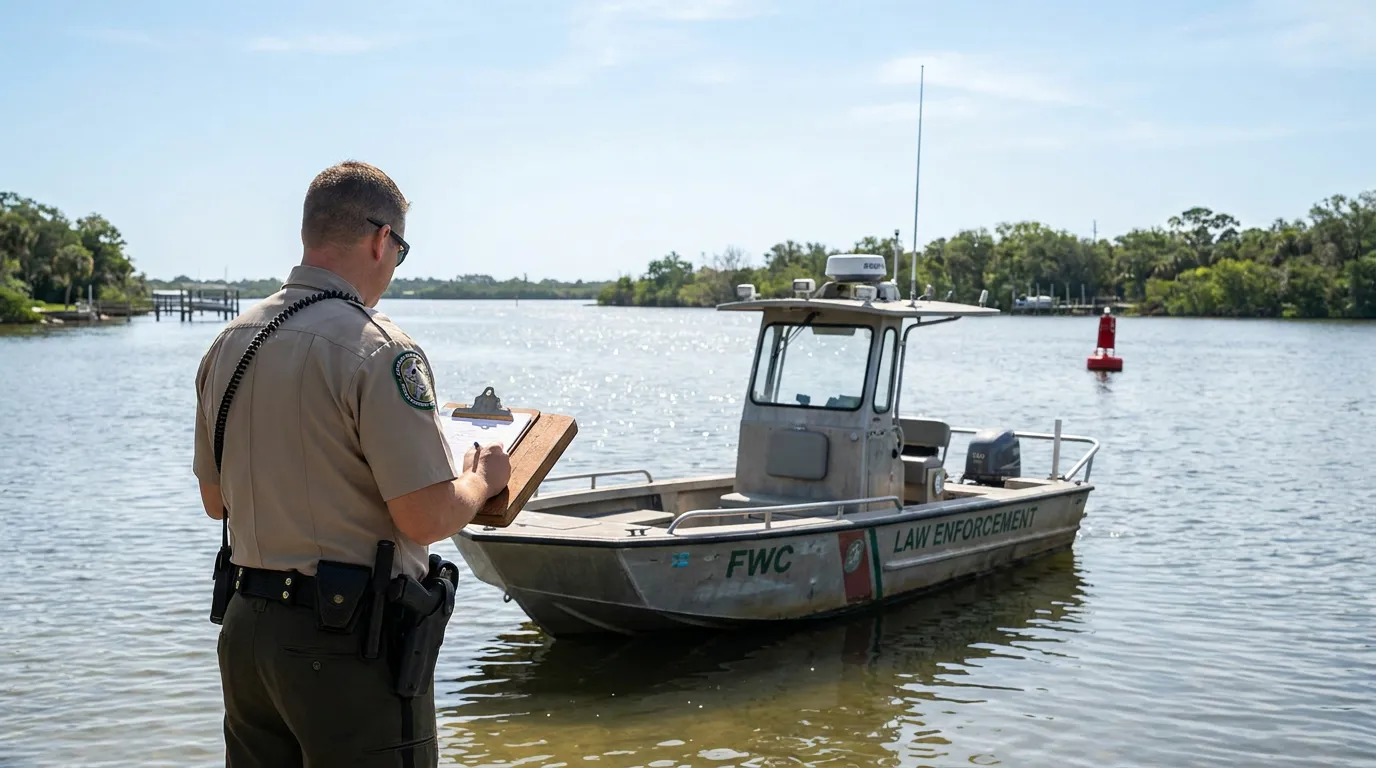
How Florida Law Defines Boating Negligence
Negligence is the most common legal foundation for a Manatee River boating accident claim. Like land collisions, waterborne accidents generally support negligence claims against one or more operators. A victim must show the defendant failed to exercise proper care and thereby caused the injuries. Florida courts evaluate these claims based on specific facts.
The Four Elements of a Negligence Claim
A successful negligence claim requires proof of four distinct elements. The injured party must show the defendant had a duty to operate safely, breached that duty, and thereby caused the resulting injuries and damages. Each element must be supported by evidence. Because these determinations are fact-dependent, careful investigation is essential.
Florida law sets a clear behavioral standard for operators. Under Fla. Stat. § 327.33(2), an operator must "operate the vessel in a reasonable and prudent manner, having regard for other waterborne traffic, posted speed and wake restrictions, and all other attendant circumstances." Violating a safety statute can support civil liability if the violation contributed to the harm.
💡 Pro Tip: After a boating incident, photograph the scene, note weather and water conditions, and collect contact information for every witness. These details become critical when reconstructing how a breach of duty caused your injuries.
Vessels as "Dangerous Instrumentalities"
Florida holds boat operators to an unusually high standard of care. Under Fla. Stat. § 327.32, all vessels are considered dangerous instrumentalities, and operators must "exercise the highest degree of care in order to prevent injuries to others." This elevated duty reflects the serious risks boats pose on crowded waterways like the Manatee River.
Reckless operation carries both criminal and civil consequences. Fla. Stat. § 327.33 defines reckless operation as operating in "willful or wanton disregard for the safety of persons or property" at a speed or manner likely to endanger life, limb, or property, a first-degree misdemeanor. While a criminal charge doesn’t automatically resolve a civil claim, the underlying conduct can strongly support a finding of fault. Review Florida’s Chapter 327 boating statutes for additional context.
Identifying Every At-Fault Party in a Boating Claim
More than one party may be responsible for a single Manatee River boating accident. Determining liability often requires looking beyond the person at the helm to owners, employers, and businesses connected to the vessel. Identifying each potentially responsible party can be the difference between full and partial recovery.
Operators, Owners, and Employers
Liability for reckless or careless operation generally falls on the operator in immediate charge of the vessel. Under Fla. Stat. § 327.32, the owner is not liable unless the owner was operating the vessel or was present onboard when the injury occurred. However, an owner may still face direct liability for negligently entrusting the vessel to an operator the owner knew or should have known was unfit. This distinction matters when the driver differs from the owner.
Responsibility can also reach an operator’s employer. If the operator was on the job, the employer might be vicariously liable for the employee’s negligence. This doctrine can add a financially responsible party to a claim, depending on whether the operator was acting within the scope of employment.
💡 Pro Tip: If a commercial or charter vessel was involved, note the company name and any markings on the boat. Employment and rental relationships often determine whether an additional party shares liability.
Rental Companies and Manufacturers
Businesses that lease or rent vessels may carry their own responsibilities. Under Fla. Stat. § 327.301(6), if the vessel was leased, rented, or chartered, the person who offered it is responsible for complying with accident-reporting requirements. Understanding these duties helps clarify who must document a crash.
A defective boat or component can shift part of the blame to a manufacturer. When a faulty engine or steering system caused the crash, a product liability suit may be brought against the manufacturer, distributor, or seller. These claims often require technical analysis to trace the failure to a specific defect. Learn more from this overview of boating accident liability.
Common Causes That Point to Liability
The cause of a crash frequently reveals who is liable for a boating accident on the Manatee River. Certain patterns of conduct repeatedly lead to injuries and support negligence findings. Each cause tends to point toward a specific responsible party.
Common contributing factors include:
- Operator inattention and failure to keep a proper lookout
- Boating under the influence of alcohol or drugs
- Excessive speed for the conditions or posted restrictions
- Violations of navigational "Rules of the Road," such as failing to yield when powered boats must generally give way to less maneuverable sailboats
- Overloading a vessel or ignoring wake restrictions
These causes connect conduct to the breach element of negligence. Right-of-way rules help courts allocate fault when two vessels collide. When an operator ignores these established rules, that violation can support a finding of liability.
Damages, Reporting Duties, and Preserving Evidence
Injured victims and grieving families may recover several categories of damages. Boating injury claims can include compensation for pain and suffering, medical bills, and future treatment, while fatal incidents can give rise to wrongful death claims. Surviving family members may seek lost financial support, funeral expenses, and loss of companionship.
Florida also imposes accident-reporting duties that affect evidence and liability. Fla. Stat. § 327.30 addresses collisions, accidents, and casualties, while Fla. Stat. § 327.301 governs written reports, with failure to file constituting a noncriminal infraction. These reports can preserve important facts and strengthen later claims.
💡 Pro Tip: Request a copy of any official accident report and preserve medical records from the outset. Early documentation helps establish both liability and the full extent of your damages.
When to Contact a Boating Accidents Attorney in Bradenton
Consulting a Boating Accidents Attorney in Bradenton early can protect your rights before evidence disappears. Waterborne claims involve overlapping statutes, multiple potential defendants, and jurisdictional questions that don’t arise in ordinary land accidents. A knowledgeable boating accident lawyer in Bradenton FL can identify every responsible party and evaluate how Florida’s duty-of-care rules apply.
Experienced counsel helps navigate the practical challenges of a boat accident negligence claim. These include locating witnesses, coordinating with insurers, and analyzing whether a product defect or employment relationship expands liability. For additional background on personal injury matters, visit our firm’s legal insights and updates.
Frequently Asked Questions
Who is usually at fault in a Manatee River boating accident?
Fault most often rests with the operator whose negligence caused the crash. However, owners, employers, rental companies, and manufacturers may share liability. A careful investigation identifies every responsible party.
Can a boat owner be liable if someone else was driving?
Generally, liability is confined to the operator in immediate charge. Under Fla. Stat. § 327.32, the owner may be liable only if operating the boat or present onboard when the injury occurred, though owners can be held directly liable for negligently entrusting the vessel to an unfit operator.
What if a defective part caused the accident?
A manufacturer, distributor, or seller may face a product liability claim when a defect contributed to the crash. These claims typically require technical evidence linking the defect to the injury.
Are there damages available for a fatal boating accident?
Yes, surviving family members may pursue a wrongful death claim. Recoverable losses include lost financial support, funeral expenses, and loss of companionship.
Do I have to file an accident report after a boating crash?
Florida imposes reporting duties under Fla. Stat. §§ 327.30 and 327.301. Failure to file a required written report can constitute a noncriminal infraction. These obligations are separate from any civil lawsuit.
Protecting Your Rights After a Manatee River Boating Accident
Determining liability for a Bradenton boating accident requires examining Florida’s negligence rules, statutory duties, and the roles of everyone connected to the vessel. The operator’s conduct, the owner’s presence, employment relationships, rental arrangements, and possible product defects can all shape responsibility. Because these claims are highly fact-dependent, understanding your legal position early is important. A thorough investigation often reveals more responsible parties than initially apparent.
If you’re ready to pursue answers, the attorneys at Phillips, Hayden & Labbee, LLP are prepared to help you understand your rights and evaluate your claim. Call 727-300-1399 today, or learn more about our approach to boat accident liability Bradenton cases to take the next step toward protecting your recovery.